
Darnell Haynes, Buying-guide writer
I write the guides on the numbers that sound impressive in a listing: horsepower, top speed, belt size and incline. My job is to work out which of them matter for the way you'll use the machine, and which ones are there to fill out the product title.
Horsepower is the classic case. A 3.5 HP sticker tells you very little until you know whether it is a continuous rating or a peak figure, and plenty of listings never say. Belt size is the one I care about most. A belt around 16 inches wide and 40 long is fine for an easy walk; for running you want more length, and I'd rather point that out before you've carried the box up two flights of stairs.
Most of my week goes on spec sheets, manuals and owner reviews read side by side. When owners keep writing that a machine feels short at speed, or that the incline steps are coarse, I go back to the published figures to see whether they explain it.
I read what the manufacturer commits to on paper and what owners report afterwards, and I keep the two apart, so you can see where they agree and where they don't.
Areas of expertise
- Motor ratings: continuous vs peak horsepower
- Top speed and speed steps
- Belt width and length for your stride
- Incline: what a stated percentage means
How I work
- I check whether horsepower is stated as continuous or peak, and say so when the listing doesn't tell.
- I compare belt width and length with the use the guide is about: walking, jogging or running.
- I take incline and speed ranges from the manual, including the step between settings.
- Seller claims and owner reports go in separate sentences, so you can see which is which.
Articles by Darnell Haynes
Written
 Buying and ownership
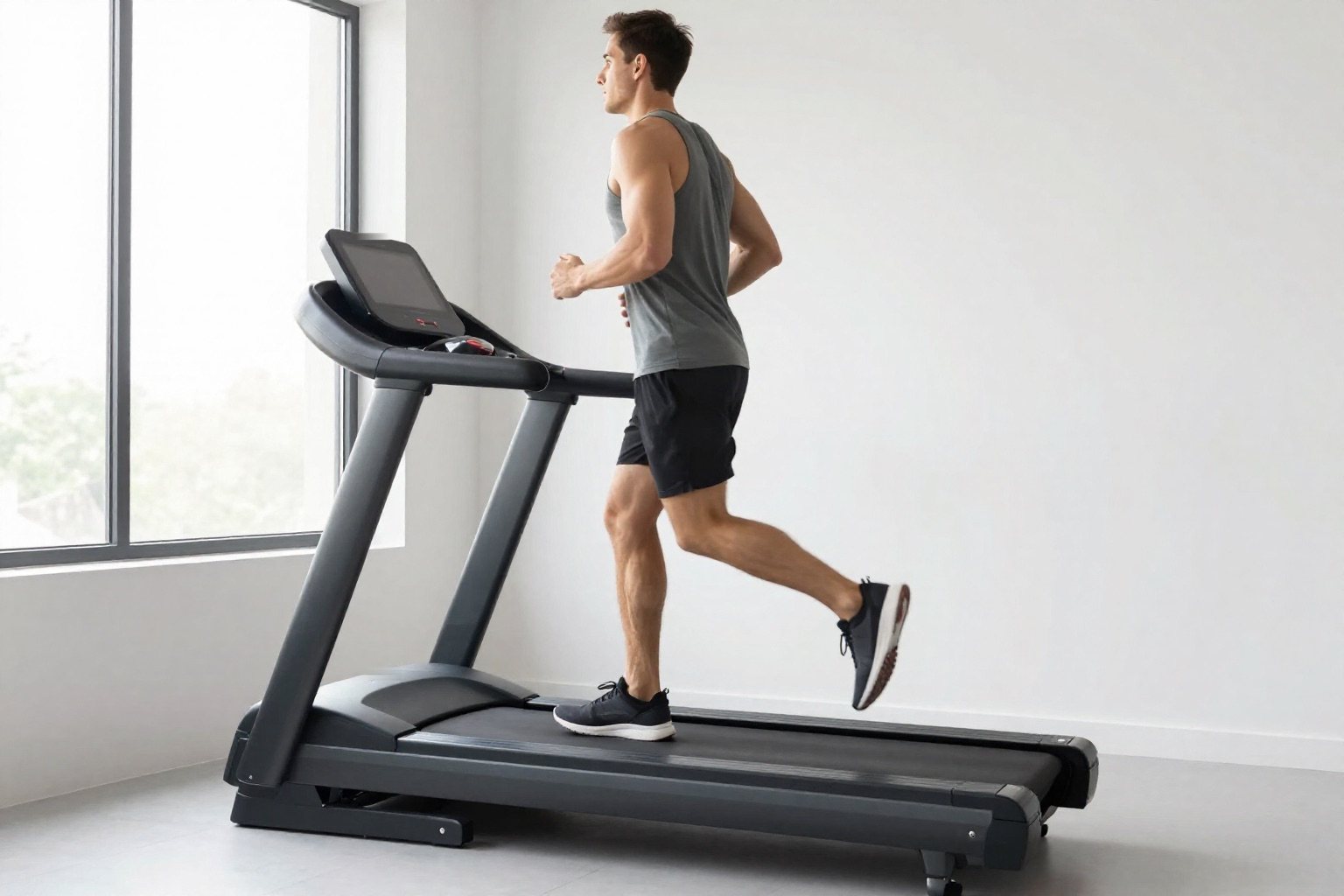
Treadmill Belt Size: Width, Length and Omissions
Why the running surface dimensions matter more than the deck description, which sizes appear in exact listings and how to handle a record that states none.
Read the guide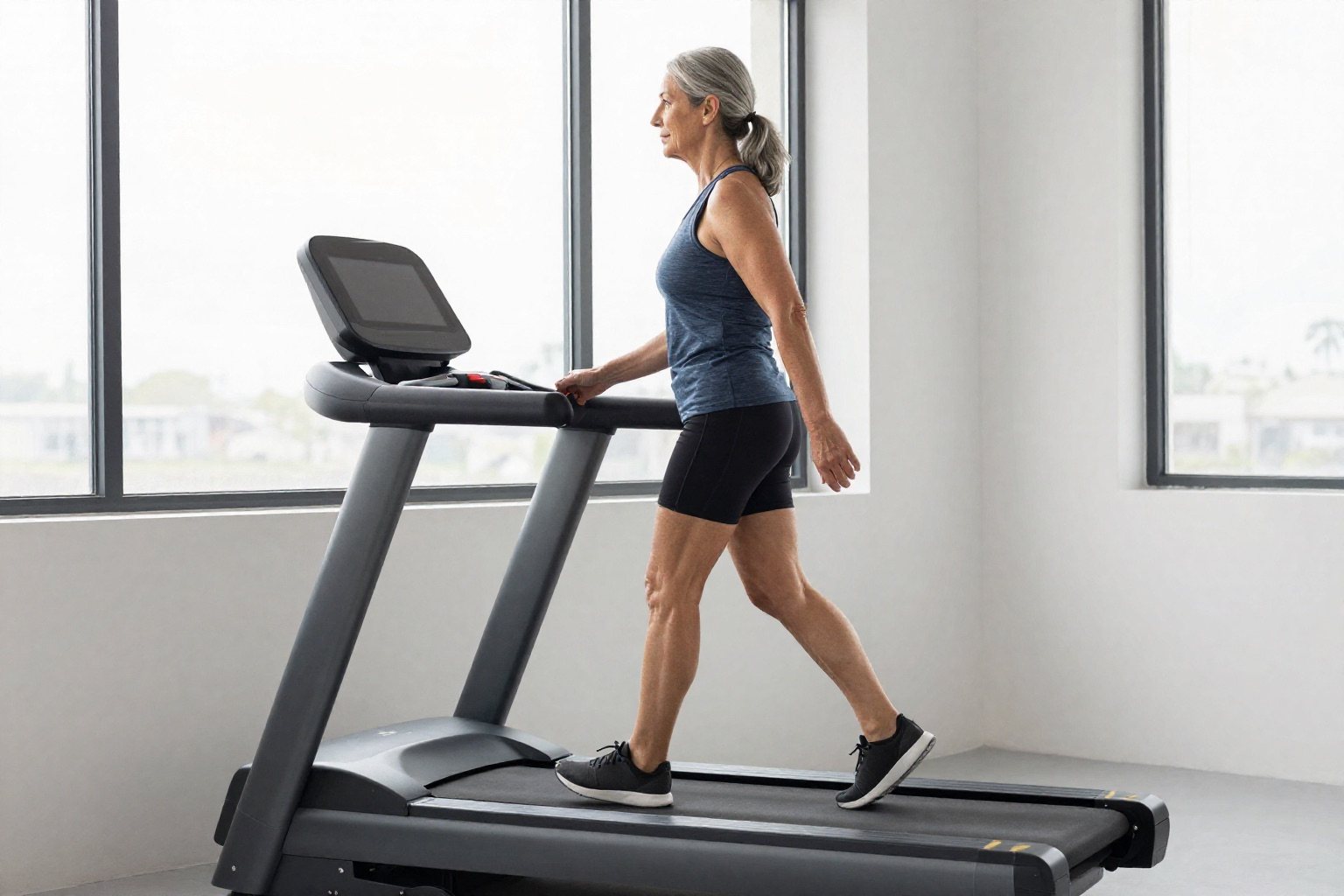 Buying and ownership
Treadmill Incline: What a Stated Percentage Means
How to read incline percentages, level counts and auto versus manual incline in exact treadmill listings.
Read the guide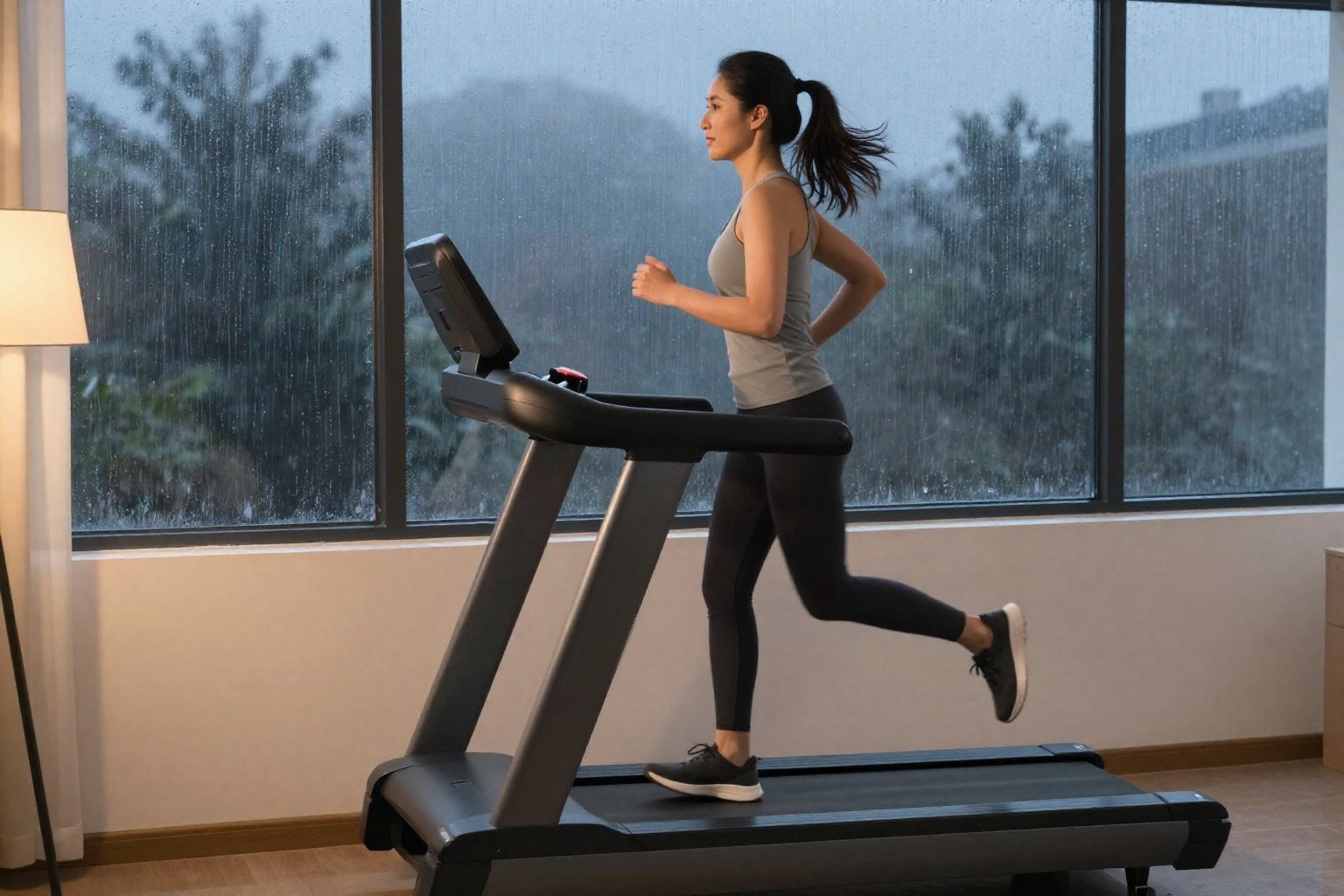 Buying and ownership
Treadmill Motor and Speed Ratings: HP and MPH
What a horsepower figure does and does not tell you, why continuous and peak ratings differ, and how to read the stated speed range on an exact listing.
Read the guideEdited
 Buying and ownership
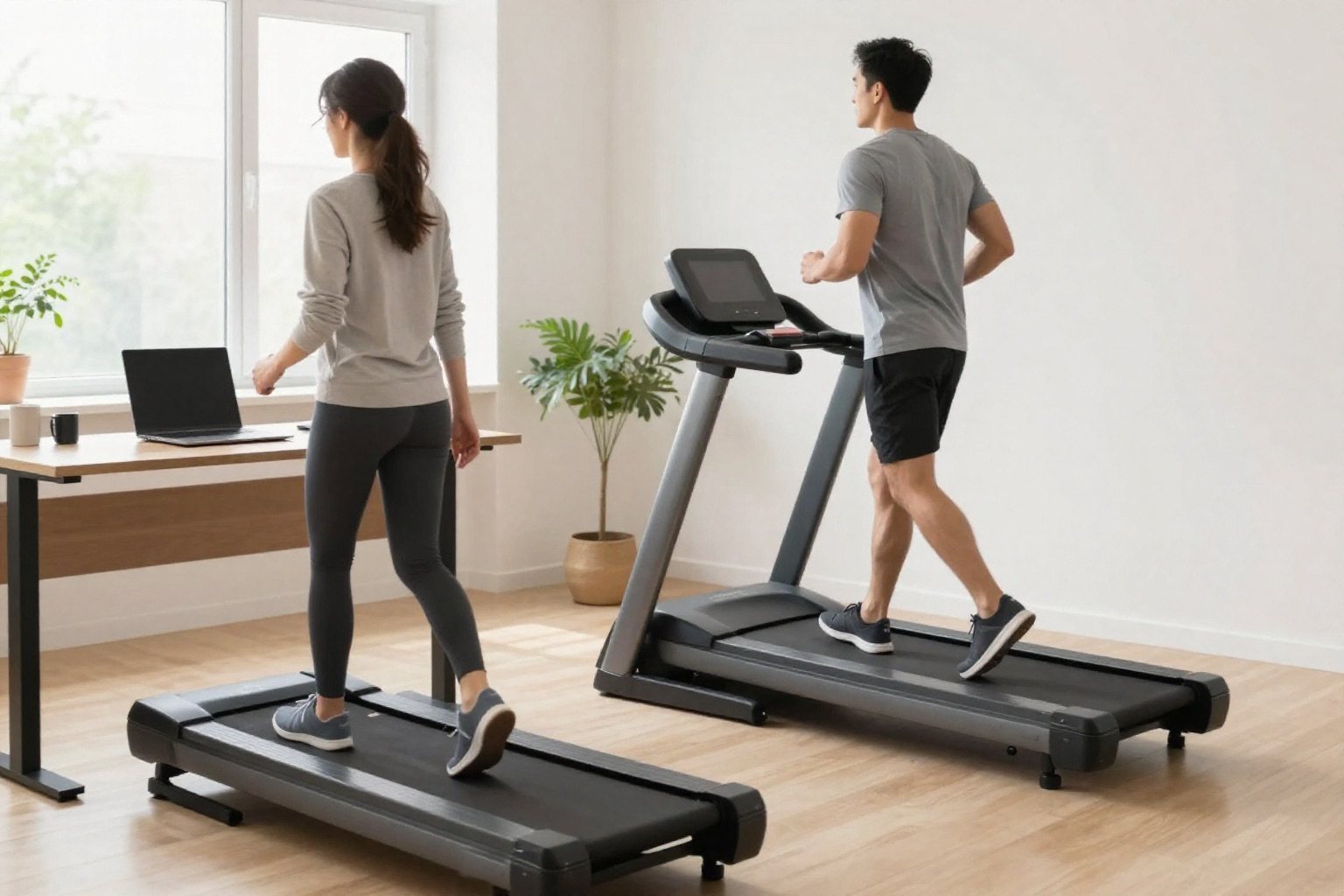
Treadmill vs Walking Pad: What Listings Distinguish
How to tell a full-size motorized treadmill from an under-desk walking pad using the stated speed range, belt size, handrail, assembled height.
Read the guide Buying and ownership
Folding Treadmills: A Storage Checklist
What folding claims in treadmill listings actually cover, how to read folded dimensions and soft-drop mechanisms.
Read the guideHow we compare and rate the machines is explained on How we rate. The rest of the team: Our editors.